
Pet Trusts
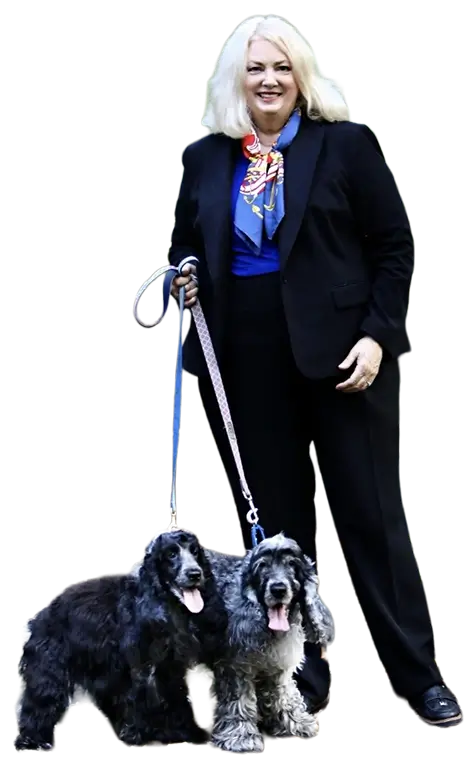
Companion animal owners who love their pets care about providing for their long-term needs. Minnesota passed a pet trust law in 2016. It is now legal for pets to be trust beneficiaries in the event of an owner’s disability or death. Barbara played a major role in the passage of this law. Make a pet trust a part of your last will and testament.
Ensuring your pets’ long-term needs can be accomplished by creating a legal instrument called a pet trust. In Barbara’s opinion, creating a pet trust is the best way to make sure that assets are legally and reasonably dedicated to your pets’ future care. With a pet trust, there are legally enforceable safeguards.
Barbara can help you discuss your goals and concerns for your pets should you die or become disabled and unable to care for them. She will help you make good choices about caretakers, as well as trustees. Trustees should be of good character and able to manage the property and funds for the trust. She will also help you plan what happens to the funds in the trust once the last pet provided for in your trust passes.
Bringing to this conversation her own deep knowledge about animals and their owners, Barbara recognizes that your animal companions deserve a good life. She will discuss with you how to communicate with others about your wishes, as well as what records and information you should regularly update. This annual update could include information about each animal’s medical conditions and veterinary needs, as well as your keen observations regarding any behavioral challenges. You will have peace of mind with a pet trust, knowing that your pets will benefit from a smooth transition.
Frequently Asked Questions About Pet Trusts In Minnesota
The following frequently asked questions address how pet trusts work under Minnesota law and why proper legal planning matters.
Which pets can legally be included in a Minnesota pet trust?
Under Minnesota law, a pet trust can be created for nearly any domesticated animal that is alive during the owner’s lifetime. The purpose of the trust is to provide financial support and clear instructions for the animal’s care after the owner passes away or becomes incapacitated.
Most pet trusts are created for common household pets, including:
- Dogs and cats are the most frequently named beneficiaries due to their long lifespans and care needs.
- Birds, reptiles and small mammals, such as parrots, snakes, rabbits or ferrets, require ongoing care and specialized housing when they do.
- Horses and other large animals often involve higher costs, land considerations and long-term planning obligations.
While exotic or agricultural animals may raise additional legal or practical issues, they can still be addressed with careful drafting.
How much control can you have over your pet’s care through a trust?
A well-drafted pet trust allows a high level of control over how your pet is cared for after you are no longer able to do so. Minnesota law permits the trust creator to outline detailed standards that caregivers and trustees must follow.
These instructions may include:
- Daily care expectations, such as feeding schedules, exercise routines, grooming and social interaction.
- Veterinary care requirements, including preventive treatment, emergency decisions and end-of-life preferences.
- Living arrangements, such as whether the pet must remain in a private home, with a specific caregiver or under certain conditions.
Clear instructions reduce confusion and help prevent disputes between caregivers and trustees. An attorney can help ensure these standards are enforceable and realistic, protecting the pet and the people responsible for its care.
What happens to unused pet trust funds after the pet’s death?
When the last surviving pet named in the trust passes away, any remaining funds must be distributed according to the trust’s terms. Minnesota law does not allow pet trust assets to remain unused indefinitely.
Common options include:
- Transferring remaining funds to named family members or other beneficiaries
- Donating leftover assets to animal charities or rescue organizations.
- Returning funds to the grantor’s estate or another existing trust.
Without clear instructions, disputes can arise over leftover assets. Working with a Minnesota estate planning attorney helps ensure the trust complies with state law and reflects your wishes while providing reliable protection for your pet throughout its lifetime.
Call 763-220-2983 to set up a consultation. The firm serves clients statewide, including Anoka County, Hennepin County, and Ramsey County.